


Written by Jené Watson

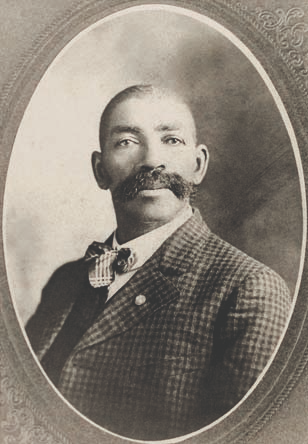
In 1846, just months after the Republic of Texas dissolved and was annexed to the U.S. as a slave state, an Arkansas lawmaker and planter by the name of William Steele Reeves saw it as an opportunity.
He ordered his slaves to pack up all of his plantation’s valuables and load it in covered wagons. William Reeves then nailed a sign to the front gate of his Arkansas estate.
G.T.T. is what it said. Gone to Texas.
And so the caravan headed West with a barefoot eight-year-old named Bass walking alongside one of the carriages as the wagon train ambled its way across a trail that white settlers had come to call Trammel’s Trace.
Once they reached the Red River and crossed into Preston Bend, they were pleased to see herds of bison, fields full of fluffy cotton. But they were careful to avoid Indian Territory which lay just on the other side of the river. It was the heart of the Wild West where all manner of roughnecks and outlaws set up camp. A place where many folks had lost their lives.
As a hand on the Reeves’ plantation, Bass’ main jobs were caring for the livestock and serving gourds of water to parched field hands. As he worked, young Bass entertained himself with rough corridos, making his mother fret about the man her son could grow up to be.
But Mama Paralee didn’t need to worry. Like John Henry and High John, her son was on his way to becoming a legend.
How?
After Emancipation in 1863 and the Reconstruction that followed, Bass moved around between Indian Territory, Arkansas and Texas. Yet his comings and goings are as hard to trace as a shifting wind. What’s sure is that he laid low until the 13th Amendment made him legally free and some time around then married a mixed blood Texas woman named Jennie. By 1870, Bass and Jennie lived right next door to Indian Territory in Van Buren in his home state of Arkansas as farmers of their own land. It’s believed that from time to time, Bass served as a scout and tracker, which helped the Reeves build a fine home for themselves and their large family.


In 1875, near the end of Reconstruction, the U.S. government appointed Isaac C. Parker— better known as the “Hanging Judge”– to preside over Indian Territory. Parker hired James Fagan as Marshal, ordering Fagan to round up an able squad of two hundred deputies. Bass was one of the first chosen.


Well, as time went along and war broke out between the states, Bass was taken on the battlefield as a valet to William Reeves’ son, George who served on the Confederate side. It’s said that sometime during this stretch of the Civil War, Bass bested George in a fist fight during a card game after which Bass made haste as a fugitive and crossed the river into Indian Territory. Bass’ descendants say that he fought with the Cherokee Nation to help the cause of the Union. Bass became fluent in Muscogee and learned the customs of the Creek, Seminole and Cherokee. He liked to say that he came to understand Indian Territory “like a cook knows her kitchen.”

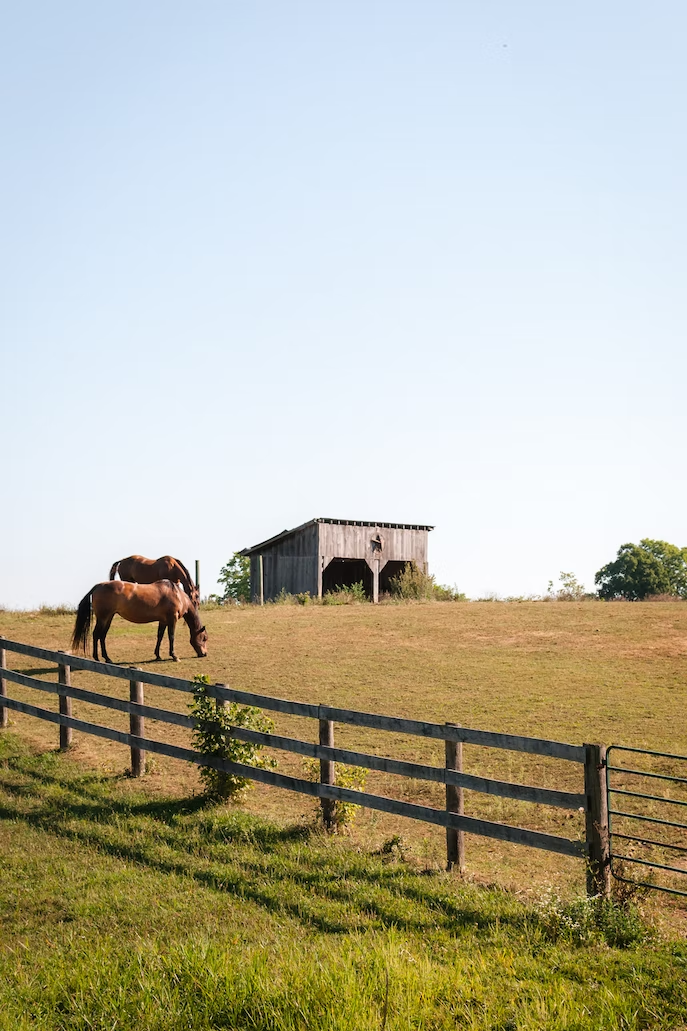
As a Deputy Marshal, Bass cut a dashing figure. He was a large, mahogany-skinned man made more stately by the horses he rode. He sported a bushy mustache that fanned out from his face like a pair of eagle’s wings. He had sharp instincts, could fire a Colt 45 with one hand and a Winchester with the other. He was never the first to shoot but also never wounded.
Rapists. Horse thieves. Bootleggers. Murderers. Bass feared no one. None stood a chance and rarely resisted when he arrived on the scene. When Bass went in pursuit of outlaws, he never rode away empty handed.
Like many people of his time, Bass hadn’t learned to read. Any time a warrant was issued, he had someone read it aloud to him, his nimble mind catching every detail. But Bass drew no pity for not knowing how to decipher the alphabet. He had a great deal of what people once called “mother wit” and could understand people, the land and situations with the greatest of ease. Few men of any color or creed commanded more respect.


1907 was the year that Bass traded his marshal’s star for a city policeman’s badge. That same year, Oklahoma became one of the last states admitted to the Union, and it’s probably fair to say that Bass was one of those to thank for this. He’d served and survived for more than thirty years in a place where many were taken out shortly after they began. Bass had done his job so well that his name and deeds would outlive his body, setting a standard that few men then or now could match.
Did you know?

- Some people believe that the character The Lone Ranger is based off of the real life heroics of Deputy U.S. Marshal Bass Reeves.
- Though Reeves was an unrivaled marksman, he took no pleasure in claiming a life and tried his best not to. Any fatalities that he caused were said to be done in self defense.
- Folklore says that Bass once rode up on a lynching in progress. Without a second thought, Bass cut the rope and helped the man down. The mob made no moves to retaliate. Instead, witnesses say that the mob stood aside in fear.
- Other early black deputy U.S. marshals hired by Judge Isaac Parker included Bill Colbert, Rufus Cannon, Zeke Miller, John Garrett, Grant Johnson and Crowder Nix.
- The word “buckaroo” derives from the Spanish word vaquero
- Reeves life story has inspired numerous books, movies, TV shows, and games. The most notable include the 2021 Netflix series “The Harder They Fall” and the upcoming 3rd-person shooter “Law and Judgement: Shadow of the West” the video game.
Learn more about Bass’ world
- Bad News for Outlaws: The Remarkable Life of Bass Reeves, Deputy U.S. Marshal by Vaunda Micheaux Nelson
- Black Frontiers: A History of African American Heroes in the Old West by Lillian Schlissel
- Black Gun, Silver Star: The Life and Legend of Frontier Marshal, Bass Reeves by Art T. Burton
- Crossing Bok Chitto: A Choctaw Tale of Friendship and Freedom by Tim Tingle
- “The Lesser-Known History of African-American Cowboys” in Smithsonian magazine
- “The Resurrection of Bass Reeves” in Texas Monthly magazine

